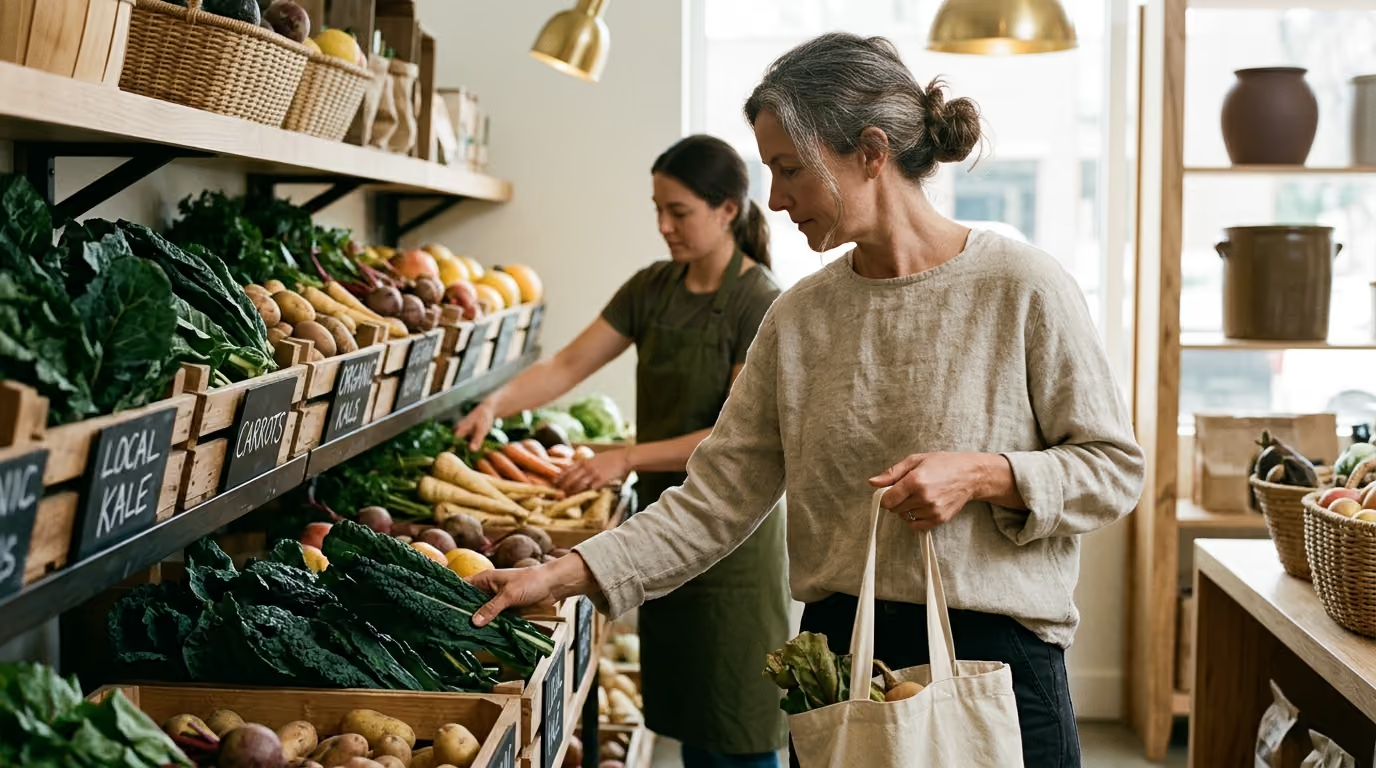

Balanced daily nutrition becomes effortless when you select high-fiber produce from common orchard fruits, root vegetables, and leafy greens.





Dietary fiber from fruits and vegetables is not an exotic nutrient found only in specialty powders or rare plants. It is a fundamental carbohydrate structure present in ordinary produce that passes through the upper digestive tract without being fully broken down by human enzymes. Meeting daily fiber targets does not require radical dietary overhauls or expensive groceries. This comprehensive guide covers the biological mechanics of plant fibers, breaks down standard portion values for common fruits and vegetables, evaluates fresh, frozen, and canned formats, and outlines practical strategies for balanced daily eating.
Major health organizations and nutritional guidelines agree that dietary fiber is an essential component of a health-supporting eating pattern. The Dietary Guidelines for Americans establish a general benchmark of 14 grams of dietary fiber per 1,000 calories consumed. For an individual following a standard 2,000-calorie daily diet, this translates to a baseline target of 28 grams per day. The Food and Drug Administration uses this 28-gram mark as the official Daily Value on Nutrition Facts labels.
National health authorities also recognize that specific fiber targets vary by age and sex. The National Academy of Medicine recommends 25 grams daily for women aged 50 or younger, and 21 grams daily for women over age 50. For men aged 50 or younger, the guideline recommends 38 grams per day, dropping to 30 grams daily for men over age 50. These values reflect broad population targets rather than rigid individual prescriptions.Caloric intake, overall metabolic activity, and digestive tolerance influence what amount works best for any single person.
Scientific consensus emphasizes that whole plant foods should form the foundation of dietary fiber intake. While beans, lentils, whole grains, nuts, and seeds are dense contributors, fruits and vegetables supply a wide spectrum of complementary fibers, water, and micronutrients. Federal dietary guidelines specifically recommend that at least half of an individual's total fruit intake come from whole fruit rather than fruit juice. Whole fruits retain the intact cellular walls that provide physical bulk and moderate digestive transit.
Nutrition science also highlights that fiber is not a single, uniform compound. Plants contain complex mixtures of structural carbohydrates, storage polymers, and associated substances. To learn more about how dietary choices shape daily wellness, explore our educational resources on food, fiber, and nutrition. A balanced eating pattern benefits most from consuming a wide variety of standard produce items over time.
Dietary fiber works because human digestive enzymes in the stomach and small intestine cannot break its chemical bonds. When you consume a piece of fruit or a vegetable, digestible sugars, starches, fats, and proteins are absorbed into the bloodstream. The intact plant cell walls, composed of cellulose, hemicellulose, pectins, and lignin, move onward into the large intestine.
In the colon, dietary fiber interacts with moisture and resident microbes in two primary ways, historically categorized as soluble and insoluble actions. Soluble fibers dissolve in water to form a viscous, gel-like substance. This gel slows the rate of gastric emptying, moderating the speed at which glucose enters the bloodstream. Certain soluble fibers also bind to bile acids in the digestive tract, aiding in the management of blood cholesterol levels.
Insoluble fibers do not dissolve in water. Instead, they attract fluid and retain their physical structure, adding soft bulk to stool. This bulk stimulates normal peristaltic contractions of the intestinal wall, helping waste move efficiently through the colon. In reality, almost all whole fruits and vegetables contain a natural combination of both soluble and insoluble components.
Once fiber reaches the large intestine, specialized gut bacteria ferment portions of these non-digestible carbohydrates. This fermentation process produces short-chain fatty acids, such as acetate, propionate, and butyrate. These fatty acids serve as a direct energy source for the epithelial cells lining the colon. To understand the underlying biology of your gastrointestinal system, read about digestion and everyday gut function. Through these combined physical and chemical mechanisms, produce fiber supports regular elimination and a stable intestinal environment.
The fiber content of produce depends heavily on the specific plant part, the presence of edible peels, and the method of cooking. The United States Department of Agriculture provides reference data for standard portions that deliver measurable amounts of fiber. These standard portions represent analytical reference amounts rather than strict portion limits. Below is a detailed breakdown of common, accessible fruits and vegetables categorized by plant type.
Fruits provide a combination of water, natural sugars, organic acids, and mixed fibers. Berries stand out for their concentration of tiny edible seeds, which supply significant insoluble bulk alongside soluble pectins.
Orchard fruits like apples and pears carry a large share of their fiber in their edible outer skins. Peeling an apple or pear removes a substantial fraction of its insoluble cellulose and protective flavonoids. Berries offer exceptional fiber density per cup because their structural seeds and fine outer skins are fully consumed.
Root vegetables and tubers store energy for plants and develop robust fibrous frameworks. Cooking softens their starches and makes their structural fibers easy to chew and digest.
The difference in fiber between raw and cooked carrots highlights how preparation affects density. Cooking causes vegetables to lose moisture and compress, meaning a one-cup measuring volume holds more plant material than raw slices. Retaining the skin on sweet potatoes and standard potatoes preserves the dense cellulose layer located directly beneath the outer peel.
Cruciferous vegetables and dark leafy greens provide structural lignin and cellulose along with rich micronutrient profiles. They add substantial volume to meals with relatively low caloric density.
Cooking leafy greens like spinach and kale significantly condenses their physical volume. A single cup of cooked spinach represents several cups of raw leaves, concentrating its total fiber delivery. Cruciferous plants like broccoli and Brussels sprouts maintain firm stalks and florets that resist complete mechanical breakdown, promoting healthy intestinal movement.
This broad category includes nutrient-dense plant foods that function culinarily as vegetables, including legumes, botanical fruits, and seasonal squashes.
Green peas and artichokes rank among the most fiber-dense produce options available in standard grocery stores. Because peas are immature legumes, they share the high-fiber characteristics of beans and lentils. Canned pumpkin puree is another standout item, delivering concentrated plant solids without the need for extensive peeling or roasting.
A common assumption in grocery shopping is that raw, fresh produce is inherently superior to preserved formats. Nutritional research from agricultural extensions demonstrates that dietary fiber is chemically stable. Freezing, heat canning, and routine home cooking do not degrade or destroy the underlying fiber molecules.
Fresh produce is an excellent choice when it is locally available, affordable, and consumed before spoilage occurs. However, fresh produce begins losing moisture and certain heat-sensitive vitamins shortly after harvest. When it comes to total dietary fiber, fresh fruits and vegetables provide dependable nutrition, provided they are stored properly and prepared with minimal waste of edible skins.
Frozen produce offers significant nutritional and logistical advantages. Fruits and vegetables intended for freezing are typically harvested at peak ripeness and blanched quickly in boiling water or steam before rapid freezing. Blanching halts enzymatic degradation while leaving intact structural carbohydrates untouched. Keeping frozen green peas, chopped broccoli, or mixed berries in the freezer ensures immediate access to high-fiber produce without the risk of spoilage.
Canned produce represents an affordable and shelf-stable way to maintain consistent fiber intake. Canned pumpkin puree, for instance, provides 7.1 grams of fiber per cup, while canned green beans and artichoke hearts deliver substantial amounts with zero prep work. The primary consideration with canned vegetables is sodium content from preserving brines. Shoppers can select no-salt-added varieties, or rinse standard canned vegetables in a colander under running water before heating.
Canned fruits require a different label check. Many canned fruits are packed in heavy or light syrups that add significant refined sugars. Choosing fruit canned in 100 percent fruit juice or water preserves the fiber benefits of pears, peaches, or pineapples without unnecessary added syrups.
Regardless of the preservation format, mechanical peeling remains the primary way fiber is lost during processing. Removing the skins from apples, pears, potatoes, and carrots strips away concentrated insoluble cellulose. Opting for unpeeled options whenever culinary textures allow is an effortless way to maximize fiber across all formats.
Widespread dietary advice often creates unnecessary confusion around fiber intake. Clarifying these misconceptions helps build a sustainable, stress-free relationship with everyday produce.
Many people believe that freezing or canning destroys the fiber in fruits and vegetables. In reality, fiber consists of sturdy carbohydrate polymers that withstand temperature shifts, blanching, and thermal sterilization. A cup of frozen cooked peas delivers the same robust fiber content as peas shelled directly from a fresh pod. Selecting frozen or canned produce is a completely valid and reliable strategy for meeting daily targets.
Jumping suddenly from a low-fiber diet to a very high-fiber intake is a frequent mistake. The gastrointestinal tract and its resident microbiome require time to adapt to increased carbohydrate bulk and microbial fermentation. Rapidly doubling fiber intake over two days often triggers temporary gas, abdominal cramping, and bloating. Digestive health improves through steady, incremental increases over several weeks rather than sudden spikes.
It is easy to assume that any food labeled high-fiber will produce identical digestive outcomes. However, different fruits and vegetables feature distinct proportions of soluble pectins, insoluble cellulose, and fermentable carbohydrates. For instance, berries provide a high ratio of seed-based insoluble fiber that increases bulk, while cooked winter squash provides gentle soluble gel. Understanding these distinct properties helps you tailor your choices to your individual digestive comfort.
Marketing campaigns frequently suggest that hitting nutrition goals requires expensive, imported ingredients. Standard, accessible produce like carrots, potatoes, apples, oranges, and frozen broccoli provide all the fiber types necessary for human health. The key is consistent consumption of everyday foods rather than locating rare or costly specialty items.
Eating seasonally can bring variety and culinary excitement to your kitchen, but it should never become an obstacle to consistent nutrition. Growing seasons, regional climates, and local weather patterns vary widely across the continent. Rather than viewing seasonal produce calendars as rigid rules, use them as creative prompts for your grocery list.
In many regions, early spring brings tender green vegetables that emerge as soils warm. These items tend to cook quickly and pair well with light, broth-based meals or simple steaming.
When fresh spring crops are out of season or priced too high, frozen asparagus spears and frozen chopped spinach serve as identical fiber alternatives.
Mid-to-late summer yields warm-weather botanical fruits, sweet corn, and abundant bush vegetables. These foods offer high water content alongside moderate fiber levels.
Summer produce is often abundant at local farm stands, making it an economical time to consume raw salads and fresh berry bowls.
Autumn shifts agricultural output toward sturdy root vegetables, dense squashes, and tree fruits that store well into colder months.
Fall is an ideal season for slow-cooked stews, vegetable bakes, and sheet-pan meals that soften dense vegetable fibers.
Colder months rely heavily on hardy field crops, cellar-stored roots, and stored citrus fruits that brighten winter cooking.
Supplementing winter eating with frozen berries, frozen peas, and canned pumpkin ensures steady fiber diversity even when fresh local variety is limited.
The way you prepare fruits and vegetables changes their physical texture, moisture level, and digestive ease, though the total mass of fiber molecules remains stable. Understanding these mechanical changes allows you to adapt produce to your preferences and tolerance.
Eating vegetables raw preserves maximum physical crunch and requires significant chewing. Raw carrots, bell peppers, and snap peas take up large physical volume in the stomach, which can promote a feeling of fullness. However, raw plant cell walls remain rigid, which can occasionally feel heavy for individuals with sensitive digestion.
Cooking uses heat to break down tough plant hemicellulose and soften cellular bonds. Steaming, boiling, roasting, and braising make vegetables significantly more tender. Softened fibers pass more gently through the stomach into the intestines while retaining their water-binding and bulking abilities. Cooking also reduces the physical volume of vegetables like spinach and kale, allowing you to consume more fiber per cup.
Mechanical processing steps alter produce fibers in distinct ways:
Trying different preparation methods can help you enjoy vegetables you previously disliked. A person who finds raw broccoli unappealing may thoroughly enjoy roasted broccoli tossed with olive oil, lemon juice, and black pepper.
Building sustainable digestive wellness does not require drastic dietary overhauls. The most effective approach is to implement one gradual, grounded lifestyle change: adopt the Single Produce Anchor method.
Rather than attempting to double your fiber intake overnight, select one meal each day and add a single high-fiber produce anchor. A reliable anchor is a standard portion of a familiar, accessible produce item that delivers between three and eight grams of fiber.
For example, you might choose to anchor your morning routine by adding one cup of fresh or frozen berries to your breakfast. Alternatively, you could anchor your dinner by including one cup of cooked green peas, roasted broccoli, or a baked sweet potato with its skin. Keep this single modification consistent for two full weeks.
As you introduce your produce anchor, make a conscious effort to consume adequate fluids throughout the day. Dietary fiber functions like a sponge inside the digestive tract. It requires water to swell, form soothing gels, and maintain soft stool consistency.
Drinking water alongside your meals ensures that the added plant bulk moves smoothly through the intestines. If you notice mild gas or digestive changes, maintain your current intake level rather than adding more produce immediately. Once your digestion feels settled and comfortable over several consecutive days, you can introduce a second produce anchor to another meal. To explore practical ways to manage your digestive routine, see our educational guides on bloating and regularity.
Nutritional science is actively investigating how the diversity of plant foods influences the composition and metabolic activity of the human gut microbiome. While established guidelines emphasize meeting total gram targets, emerging research explores the specific benefits of consuming a broad variety of distinct plant species each week.
Plants produce diverse types of non-digestible carbohydrates, including arabinoxylans, fructans, galactans, beta-glucans, and resistant starches. Different microbial species within the colon possess distinct enzymatic toolkits designed to break down specific carbohydrate shapes. Preliminary observational studies suggest that individuals who consume a wider variety of plant foods support a more diverse microbial ecosystem.
Researchers are also exploring how non-fiber plant compounds, such as polyphenols, interact with gut microbes. Polyphenols are naturally occurring micronutrients that give fruits and vegetables their vibrant red, purple, orange, and deep green colors. A large fraction of dietary polyphenols passes unabsorbed into the large intestine, where bacteria transform them into active metabolites. Learn more about ongoing scientific discoveries in our overview of gut microbiome science.
While these research findings are promising, they do not mean you must track dozens of rare ingredients. Consuming a simple rotation of everyday produce, such as pairing apples, carrots, spinach, frozen peas, and bananas, naturally provides diverse fibers and polyphenols. Public health science continues to emphasize that total consistent fiber intake remains the most solid, evidence-backed foundation for digestive health.
Mild fluctuations in bowel patterns, minor gas, and transient fullness are normal responses when adjusting your intake of fruits and vegetables. However, dietary fiber is not a universal solution for underlying medical conditions, and serious gastrointestinal symptoms warrant professional evaluation.
Consult a healthcare provider or a registered dietitian if you experience any of the following symptoms:
If you have been diagnosed with a specific medical condition, such as inflammatory bowel disease, strictures, or severe motility disorders, work directly with a registered dietitian. A clinical nutrition professional can help you personalize your fruit and vegetable choices, ensuring you meet your nutritional needs while protecting your digestive comfort.
Blending whole fruits and vegetables does not destroy dietary fiber. The blades physically cut and fragment the plant cell walls into smaller particles, but the total amount of fiber remains inside the blender container. Pureeing vegetables or blending smoothies softens mechanical texture while retaining both soluble and insoluble components. In contrast, standard juicing machines extract the liquid and discard the fibrous pulp, eliminating most of the beneficial plant fiber.
Vegetable and fruit skins are concentrated in insoluble cellulose and lignin. For most people, these skins add healthy bulk that promotes regular elimination. However, if you are experiencing temporary digestive sensitivity or are new to high-fiber eating, peeling some of your produce can make meals easier to digest. You can gradually reintroduce edible skins on apples, pears, and potatoes as your digestive comfort stabilizes.
Dried fruits like raisins, prunes, dried figs, and dried apricots are concentrated sources of dietary fiber. Because water has been removed, a small physical serving delivers a substantial amount of fiber and natural fruit sugars. When selecting dried fruits, check product labels to avoid items made with added refined sugars or syrups. Be mindful of portion sizes, as dried fruit is far more calorically and sugar-dense than whole, fresh fruit.
Check the Nutrition Facts panel on the back of the can. Look for products labeled "no salt added" or "low sodium," which typically contain 140 milligrams of sodium or less per serving. If only standard canned vegetables are available, pouring the contents into a strainer and thoroughly rinsing them under running tap water can wash away a significant portion of the surface canning brine.
DigestGenius publishes research-led guidance on digestion, the gut microbiome, fiber, probiotics, gut-brain signaling, inflammation and everyday digestive wellbeing.


Explore clear, research-led guidance on digestion, the microbiome, food, fiber, probiotics and the gut-brain connection.
read the blog