
Five core cooking techniques help soften plant cell walls and prepare nutritious high-fiber vegetables and legumes for better digestion and daily meal planning.





Many people type a simple question into search engines after an uncomfortable meal: does cooking vegetables destroy their dietary fiber? Others search for why raw salads cause noticeable abdominal bloating while steamed vegetables feel comfortable and easy to digest. Conflicting nutrition claims online often create unnecessary confusion about how heat changes plant foods. This definitive guide explains the precise science of how cooking methods transform fiber, alter texture, and support everyday digestive wellness.
The current scientific consensus confirms that standard cooking methods do not destroy dietary fiber. A comprehensive scientific review on dietary fiber in foods shows that domestic cooking methods have a negligible effect on total fiber content. Fiber consists of complex carbohydrate polymers and structural plant compounds that resist human digestive enzymes. The chemical bonds that form cellulose, hemicellulose, and lignin remain remarkably stable under normal cooking temperatures.
Cooking does alter the physical structure, water content, and volume of plant foods. When vegetables, legumes, or whole grains are boiled, steamed, or roasted, they absorb or lose water depending on the technique. This shift in moisture changes the measured concentration of fiber per unit of weight. For example, a cup of cooked spinach contains significantly more fiber than a cup of raw spinach simply because the leaves condense as water evaporates.
Thermal processing also changes how nutrients interact within the plant matrix. While total dietary fiber stays intact, heat can modify the ratio between soluble and insoluble fractions in specific foods. Cooking softens rigid cell walls and allows starches to gelatinize. These changes make plant foods easier to chew and digest without diminishing the beneficial bulk and fermentable material that reach the lower digestive tract.
Researchers emphasize that the priority in everyday nutrition is consuming adequate fiber from diverse sources. Cooking provides an effective way to improve the flavor, palatability, and physical comfort of high-fiber foods. When plant foods taste pleasant and feel comfortable to digest, people can maintain consistent daily intakes across their lifespan.
To understand how cooking influences digestion, it helps to examine how the human digestive tract interacts with plant cell walls. Plants build their structural integrity using complex networks of cellulose, hemicellulose, pectin, and lignin. Human stomach acid and small intestinal enzymes cannot break down these tough structural carbohydrates. As a result, fiber passes intact into the large intestine, where it interacts with water and resident gut bacteria.
Dietary fiber divides broadly into two functional categories based on how it behaves in water. Soluble fiber dissolves in water to form a viscous, gel-like matrix in the digestive tract. This gel slows gastric emptying, moderates glucose absorption, and provides easily accessible fuel for beneficial microbes. Insoluble fiber does not dissolve in water. It retains its physical structure, adds bulk to stool, and stimulates mechanical transit through the colon.
Many whole plant foods supply a natural mixture of both fiber categories. Beans, oats, root vegetables, and whole grains contain varied proportions of soluble gums and insoluble structural fibers. When heat is applied during cooking, thermal energy breaks down pectin and dissolves intercellular adhesives that hold plant cells together. This process, known as cell wall loosening, softens the overall texture of the food.
Cooking also induces starch gelatinization. In raw plants, starches are packed into tight, crystalline granules that resist enzymatic breakdown. When heated in the presence of water, these starch granules absorb moisture, swell, and unfold into a more accessible form. The digestive enzyme alpha-amylase can then break down digestible starches more efficiently in the mouth and small intestine.
The structural changes caused by cooking reduce the mechanical workload required by the stomach. Softened plant tissues break down into smaller particles during chewing and stomach churning. This particle reduction allows for smoother transit through the upper digestive tract. It also enables more uniform microbial fermentation in the colon, which helps reduce sharp spikes in gas production for sensitive individuals.
Different cooking techniques create distinct textural outcomes and influence nutrient retention in unique ways. No single preparation method is universally superior for every vegetable or every nutritional goal. Selecting a cooking style based on desired texture, taste, and digestive comfort allows you to enjoy a wider variety of plant foods.
Steaming uses hot water vapor to cook vegetables without submerging them in liquid. Because the food does not make direct contact with cooking water, steaming minimizes the leaching of water-soluble vitamins such as vitamin C and folate. Studies examining vegetable preparation show that steaming preserves cellular structure while creating a tender texture.
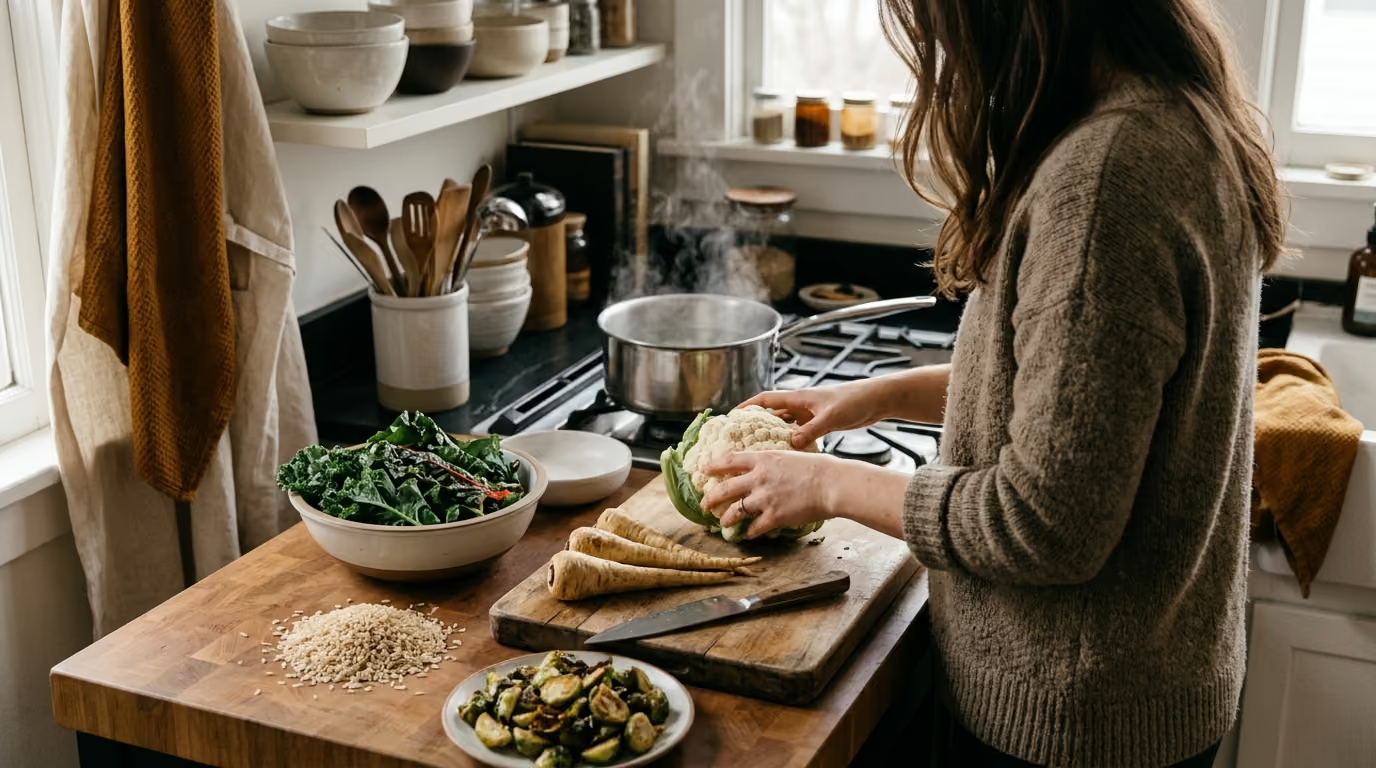
This method works exceptionally well for cruciferous vegetables like broccoli, cauliflower, Brussels sprouts, and cabbage. Steaming broccoli preserves the active myrosinase enzyme more effectively than prolonged boiling. Myrosinase helps convert glucosinolates into sulforaphane, an extensively studied plant compound. Steaming until vegetables reach a vibrant color and a tender texture produces a balanced, appealing result.
Microwaving uses electromagnetic waves to heat water molecules directly within the plant tissue. This process cooks food rapidly and requires very little additional water. A comparative study on vegetable preparation found that microwaving retains overall nutritional value effectively across several examined vegetables.
Microwaving offers a practical solution for quick weekday cooking. Dense vegetables like sweet potatoes, winter squash, and carrots soften within minutes. Adding a single tablespoon of water to a covered, microwave-safe dish creates a rapid steaming environment. This approach maintains both moisture and structural fiber without requiring prolonged heat exposure.
Boiling submerges vegetables in turbulent, heated water, while simmering maintains a gentler, sub-boil temperature. Both methods thoroughly soften tough plant cellulose and dissolve insoluble pectins. However, water-soluble vitamins and minerals can leach into the surrounding cooking water during prolonged boiling.
Boiling or simmering is ideal when the cooking liquid remains part of the final dish. Soups, stews, curries, and vegetable broths capture any leached micronutrients completely. Simmering is also valuable for individuals who experience digestive sensitivity with firm vegetables. The thorough softening of the plant matrix significantly eases mechanical digestion.
Roasting exposes vegetables to dry, high-heat air in an oven, typically between 375 and 425 degrees Fahrenheit. As moisture evaporates from the surface, natural sugars within the vegetable concentrate and undergo caramelization and Maillard browning. This creates rich, complex flavors and a pleasant exterior crispness.
Root vegetables, onions, bell peppers, and dense squash respond particularly well to dry roasting. Cutting vegetables into uniform pieces ensures that heat penetrates evenly throughout the batch. While roasting removes surface moisture and reduces the physical volume of the vegetable, the dietary fiber remains completely preserved within the browned tissue.
Sautéing involves cooking sliced vegetables rapidly in a small amount of oil or broth over medium-high heat. This method transfers heat quickly while allowing the cook to monitor texture continuously. Sautéing keeps delicate vegetables tender while preserving a slight, satisfying firmness.
Leafy greens like kale, Swiss chard, and collard greens soften quickly in a skillet. Brief sautéing reduces their bulky volume while mellowing naturally bitter flavor compounds. Pairing greens with a modest amount of healthy dietary fat also assists in the absorption of fat-soluble vitamins like vitamins A and K.
Legumes, which include dry beans, lentils, chickpeas, and split peas, are among the most fiber-dense foods available. A standard half-cup serving of cooked dry beans provides substantial amounts of both soluble and insoluble fiber. In addition to fiber, legumes contain complex oligosaccharides, such as raffinose and stachyose, which human enzymes cannot break down. Applying thorough preparation techniques improves both their texture and culinary versatility.
Preparation begins by spreading dry legumes across a flat, clean surface to sort out small pebbles, damaged beans, or agricultural debris. After sorting, rinse the legumes thoroughly under cold running water in a colander. This simple mechanical step removes surface dust and residual field dirt before any soaking begins.
Soaking dry beans before cooking rehydrates the seed coat and the inner cotyledon, promoting even heat transfer during simmering. Guidance from the United States Department of Agriculture outlines two dependable soaking methods:
Soaking helps dissolve a portion of the water-soluble oligosaccharides into the discard water. This reduction in fermentable sugars can make the legumes more comfortable for some individuals to digest. Discarding the soaking water and adding fresh water for simmering supports a cleaner flavor profile.
After soaking, transfer the rehydrated beans to a pot and cover them with fresh, cold water by at least two inches. Bring the liquid to a boil, reduce the heat to low, and maintain a gentle, steady simmer. Cooking times vary widely depending on the variety and age of the legume:
Legumes should cook until they are tender and yield easily to gentle pressure between your fingers. Undercooked beans remain starchy, firm, and physically challenging to digest. If the simmering liquid drops below the level of the beans during cooking, add boiling water to keep them submerged.
Dry red kidney beans require specific safety precautions due to their natural concentration of a plant protein called phytohaemagglutinin. Consuming improperly cooked kidney beans can cause severe, acute gastrointestinal distress. The natural toxin is completely destroyed by sustained boiling, but low cooking temperatures are insufficient to eliminate it.
Food safety guidance from university extension programs warns against cooking dry, raw kidney beans exclusively in a slow cooker. Slow cookers often fail to reach the high temperatures required to deactivate phytohaemagglutinin. To prepare dry kidney beans safely:
Canned beans offer an accessible, pre-cooked alternative to preparing dry legumes from scratch. Commercial canning processes use high-temperature commercial retorting, which cooks the legumes thoroughly and ensures structural softening. Canned beans retain their total dietary fiber content and provide the same fundamental digestive benefits as home-cooked varieties.
Whole grains retain their three anatomical components: the fiber-dense outer bran, the nutrient-rich germ, and the starchy inner endosperm. Refined grains have their bran and germ mechanically stripped away, leaving only the starchy core. Because whole grains retain their fibrous outer layer, they require distinct cooking techniques, measured liquid ratios, and longer preparation times.
The outer bran creates a natural barrier that slows down water penetration into the grain. As a result, whole grains generally possess a firmer, chewier texture and a nuttier flavor than refined grains. Adjusting cooking duration and liquid volume allows you to tailor the final texture to your personal preference.
Whole grains cook primarily through the absorption method, where a measured volume of liquid is absorbed by the expanding grain. The United States Department of Veterans Affairs provides clear guidelines for whole-grain preparation:
Always bring the liquid to a boil first, add the grains, cover with a tight-fitting lid, and immediately reduce the heat to a low simmer. Checking the grains a few minutes before the minimum suggested cooking time prevents scorching.
If whole grains reach the end of their recommended cooking time but remain uncomfortably hard, add two to three tablespoons of boiling water. Replace the lid and continue simmering over low heat for an additional five minutes.
If the grains stick to the bottom of the pot, remove the pan from the heat immediately. Add a small splash of liquid, cover the pot tightly, and let it stand undisturbed for five minutes. The trapped steam loosens the cooked grains from the metal without breaking their structure. Fluffing the cooked grains gently with a fork redistributes remaining surface moisture and separates individual kernels.
Batch-cooking whole grains on weekends provides an efficient way to assemble fiber-rich meals throughout the workweek. However, cooked grains require proper temperature management to prevent the growth of foodborne bacteria, such as Bacillus cereus.
Cool cooked grains promptly by spreading them onto a clean baking sheet or placing them in shallow, covered containers. Transfer the containers into the refrigerator within two hours of cooking. Standard food safety guidelines recommend consuming refrigerated grain leftovers within three to four days. Reheat stored grains thoroughly with a splash of water to restore their moisture and soft texture.
Emerging scientific research focuses on how cooking, cooling, and reheating starchy plant foods alters their internal carbohydrate matrix. Starch typically breaks down into simple glucose molecules in the small intestine. However, specific culinary steps can convert a portion of standard digestible starch into resistant starch.
Resistant starch behaves biologically like soluble, fermentable fiber. It resists enzymatic cleavage in the upper digestive tract and travels intact into the colon. There, resident gut bacteria ferment resistant starch into beneficial short-chain fatty acids, primarily butyrate. Butyrate serves as the primary energy source for the epithelial cells lining the colon wall.
When starchy foods such as potatoes, rice, legumes, and whole-grain pasta are cooked, their starch granules swell and gelatinize. As these foods cool, the amylose molecules realign into a tightly packed, crystalline structure through a process called retrogradation. This newly formed crystalline arrangement resists human digestive enzymes even if the food is gently reheated later.
A scientific review on resistant starch confirms that chilling cooked potatoes and rice increases the proportion of retrograded resistant starch. While this process is promising, it does not represent a massive dietary transformation. Thermal cycling creates a modest, incremental shift in starch structure rather than converting an entire meal into fiber. Enjoying cooked-and-cooled grain salads, chilled potato dishes, or reheated leftovers provides an easy way to introduce varied fermentable substrates to the microbiome.
Widespread nutritional myths often lead people to adopt unnecessary restrictions regarding how they prepare their meals. Clarifying these misconceptions helps you make balanced, science-guided culinary decisions.
The belief that heat destroys dietary fiber remains one of the most persistent culinary myths. Chemical research proves that dietary fiber polymers are highly stable and resist thermal degradation under standard cooking conditions. Cooking softens fiber and gelatinizes adjacent starches, which changes the physical texture of the food. It does not erase the chemical fiber molecules or eliminate their beneficial bulk.
Some wellness narratives claim that eating raw plant foods is the only way to preserve their nutritional integrity. While raw vegetables preserve heat-sensitive nutrients like vitamin C, cooking enhances the bioavailability of other important compounds. For instance, cooking breaks down plant cell walls to release carotenoids like beta-carotene in carrots and lycopene in tomatoes. Cooking also reduces the physical volume of fibrous foods, allowing you to consume a greater quantity of fiber comfortably.
It is inaccurate to claim that steaming, microwaving, or roasting is always the best method for all foods. Nutrient retention varies significantly depending on the specific vegetable, the target nutrient, cooking duration, and water volume. Microwaving may preserve certain vitamins in zucchini, while gentle steaming preserves specific enzymes in broccoli. Selecting preparation methods based on taste, meal composition, and personal enjoyment is the most sustainable nutritional strategy.
A soft texture does not indicate that a food has lost its physiological benefits. Insoluble fiber still provides bulk, and soluble fiber still forms viscous gels within the digestive tract regardless of softness. In fact, individuals with sensitive digestive systems often tolerate well-cooked, tender vegetables far better than dense, raw produce. Softer foods reduce mechanical irritation in the gut while still delivering fuel to the microbiome.
Soaking dry legumes is a valuable culinary step that supports even cooking and removes some soluble oligosaccharides. However, soaking does not extract all fermentable carbohydrates from the inner cotyledon. The remaining complex fibers will naturally undergo fermentation by gut microbes in the colon. Normal, painless gas production is a natural byproduct of a healthy, active microbiome processing dietary fiber.
Gradually adapting your kitchen habits can significantly improve how comfortably your body processes higher amounts of dietary fiber. Clinical reviews recommend an adequate daily fiber intake of 25 grams for adult women and 38 grams for adult men. However, increasing fiber intake too rapidly can overwhelm the digestive tract, leading to gas, cramping, and bloating.
To build digestive tolerance smoothly, apply a gradual step-up strategy. Increase your daily fiber intake by just two to three grams every few days. This slow progression gives your gut microbiome and intestinal transit time adequate space to adapt. You can learn more about managing everyday digestive function by exploring our educational resources on digestive health and reading about bloating and bowel regularity.
Hydration is equally critical when consuming fiber-dense meals. Soluble fiber requires water to form its characteristic lubricating gel, and insoluble fiber absorbs fluid to add supple bulk to the stool. If you increase dietary fiber without increasing fluids, stool can become hard, dry, and difficult to pass. Drink water consistently throughout the day alongside your meals.
Modifying food texture provides another practical lever for managing comfort. If raw salads or crunchy vegetables cause bloating, try switching to blended vegetable soups, smooth purées, or slow-simmered stews. Pureeing does not remove dietary fiber, but it mechanically breaks down tough plant structures. This reduces the physical workload required by your digestive system while keeping all beneficial nutrients in your bowl. You can review more evidence-based approaches in our guides on food, fiber, and nutrition.
For those interested in the broader biological impact of varied dietary choices, examining the health of the gut microbiome and the foundational principles of gut-friendly eating provides valuable context. Finding the right balance of cooking methods ensures that your daily meals support long-term metabolic and intestinal wellness.
Digestive responses to high-fiber foods vary naturally from person to person. Mild changes in bowel habits, brief fullness, or minor gas are normal adaptations when introducing more plant foods into your routine. However, recurring or severe abdominal symptoms require professional medical evaluation rather than further dietary adjustments.
Consult a qualified healthcare provider or a registered dietitian if you experience any of the following symptoms:
These symptoms can indicate underlying gastrointestinal conditions such as inflammatory bowel disease, celiac disease, small intestinal bacterial overgrowth, or functional bowel disorders. A medical professional can accurately diagnose root causes, screen for nutrient malabsorption, and help design a tailored nutrition plan that meets your individual digestive requirements.
Applying these culinary principles this week will help you prepare fiber-rich meals that are both delicious and easy on your digestion. Use this practical checklist to guide your meal planning:
DigestGenius publishes research-led guidance on digestion, the gut microbiome, fiber, probiotics, gut-brain signaling, inflammation and everyday digestive wellbeing.


Explore clear, research-led guidance on digestion, the microbiome, food, fiber, probiotics and the gut-brain connection.
read the blog